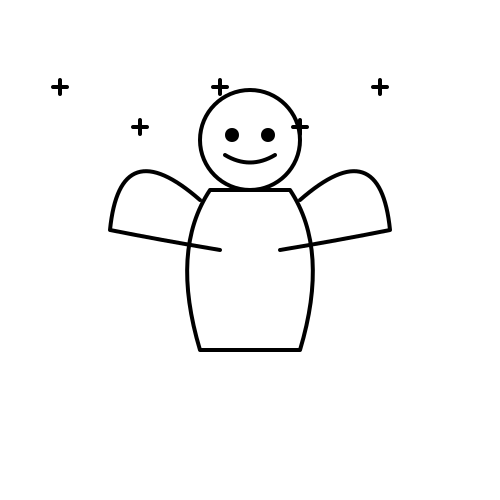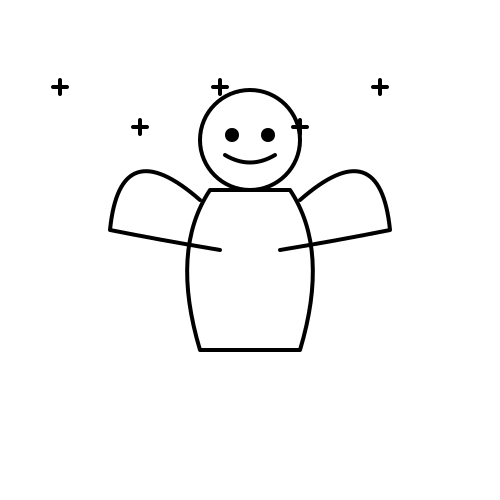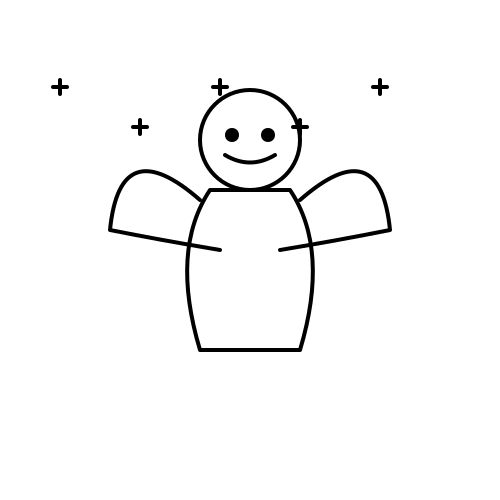
About this coloring page
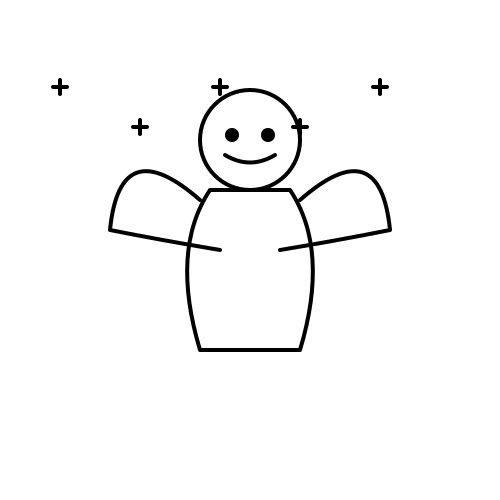
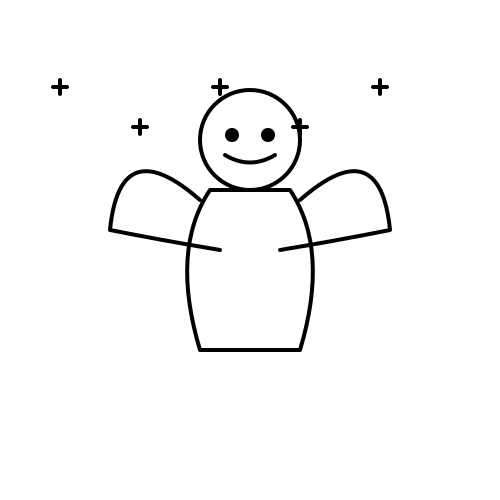
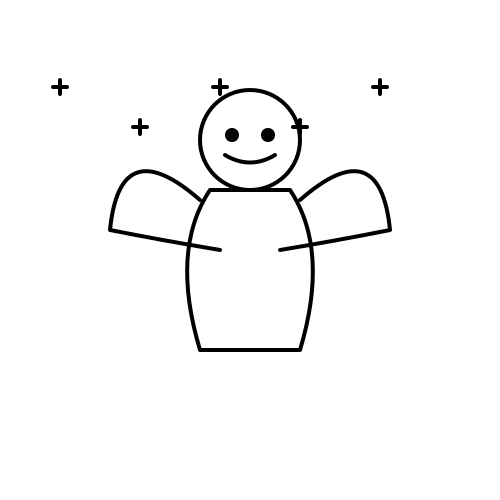
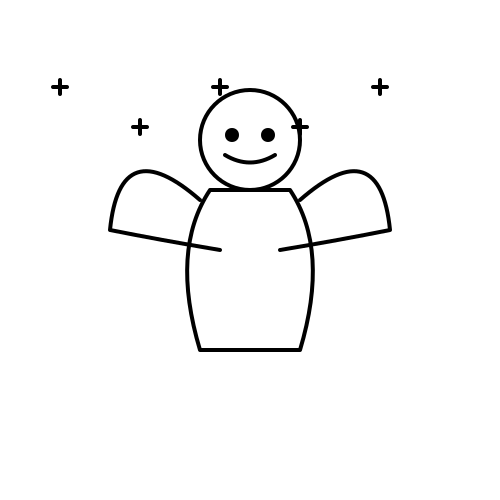
We chose this Water Lily Fairy design because it strikes a balance most fairies pages miss: detailed enough to feel like a real picture, simple enough that a four-year-old can finish it before the timer runs out and ask for another. The composition is centered with generous margins, which means the page looks great even when a younger artist colors well outside the lines, and the major shapes are big enough to fill in confidently with a single crayon stroke.
This page is sized to fit a 9x12 frame after a quick trim, which makes it a nice little gift project. Color the page, slice off the margins, and pop it in a dollar-store frame for a grandparent. We’ve done this every December and it never gets old. It also scales down beautifully — print four-up on a single sheet, cut them apart, and you have instant mini-cards for thank-you notes, lunchbox surprises, or the little stack of cards that always seems to disappear from the kitchen drawer.
Many of our characters pages get used as conversation prompts as much as art projects. A Water Lily Fairy is a small invitation to talk — about colors, about the subject, about a story your child wants to invent on the spot. We’ve added a few open-ended questions further down the page that you can use as conversation starters while your child is working, no special prep required.
Coloring this kind of page is a remarkably good wind-down activity before dinner or bedtime. The repetitive motion is calming, the focus is gentle, and the finished result gives kids a small sense of accomplishment to carry into the next part of their day. We’ve found that even reluctant readers will sit through a chapter of a bedtime book if they have a Water Lily Fairy page in their lap and a quiet pile of crayons next to them.
Coloring tips
- Tape the page to a window after coloring with markers; the light coming through gives a stained-glass effect kids love.
- Layer two crayon colors on top of each other to invent a new shade; reds and yellows make a particularly good fairies-themed orange.
- Use the side of a peeled crayon for big areas and the tip for small details — same crayon, two different looks.
- Outline each section in marker before filling with crayon for a stained-glass effect.
- Save a sticker sheet for the end — three or four well-placed stickers turn a finished page into a card or gift tag.
- Print two copies and let your child try a realistic version on one and a totally invented color scheme on the other.
Want printable-friendly paper recommendations? See our quick guide to crayons, markers and printer paper →
Conversation starters
Coloring time is a great moment to talk. Try these prompts while your child is working on their water lily fairy page:
- What would happen next if this picture was the cover of a story?
- If you drew the next page in the story, what would be on it?
- What sound does it make? Show me with your face.
- What would change about this Water Lily Fairy if it were nighttime instead of daytime?
- Who is this Water Lily Fairy’s best friend, and what do they do together?
Learn a little more
Most characters-themed pages on Kid Pages Fun pull from the wider world of public-domain illustration, then get redrawn with thicker outlines and simpler shapes so they print cleanly and color easily. The Water Lily Fairy design is a friendly, kid-readable take on the subject — perfect as a jumping-off point for a quick conversation, a related picture book at the library, or a short field trip if the season is right. Pair it with one or two other Fairies pages from this site for a longer activity, or use it as a single five-minute warm-up before moving on to something else.