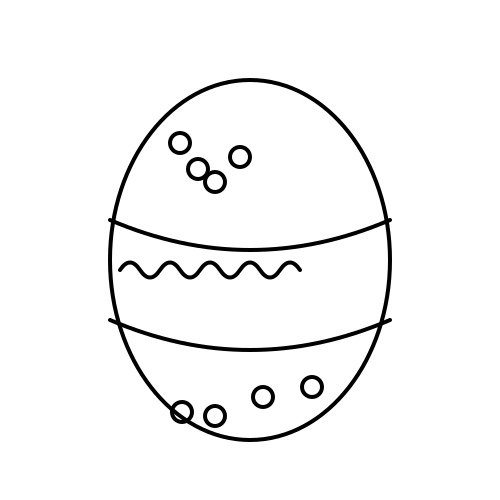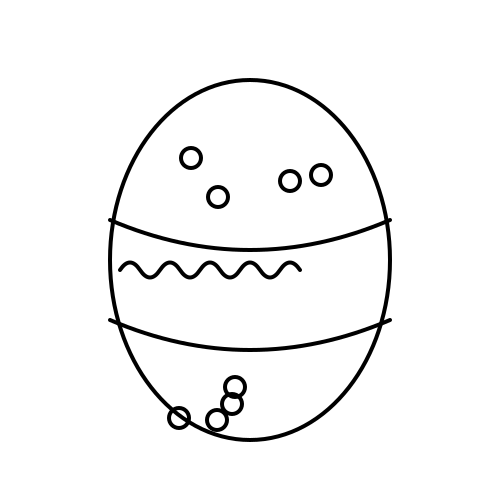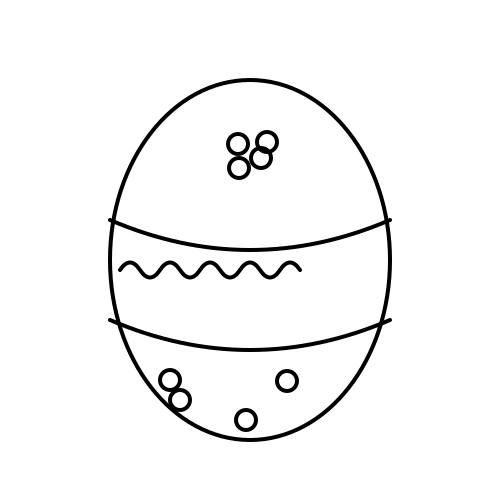
About this coloring page
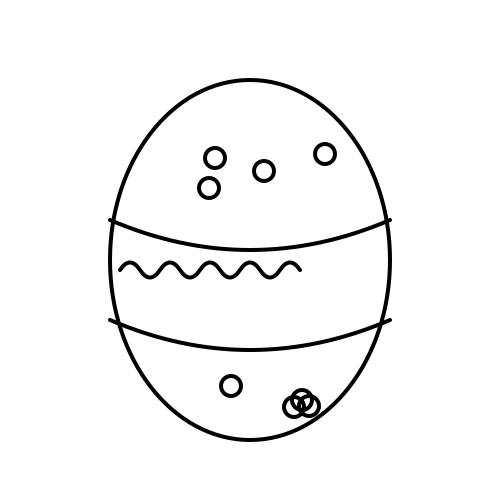
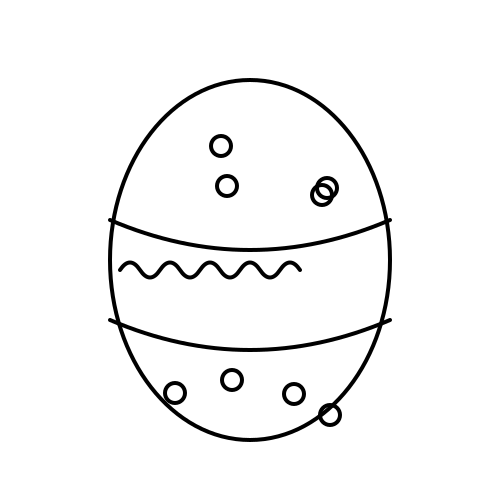
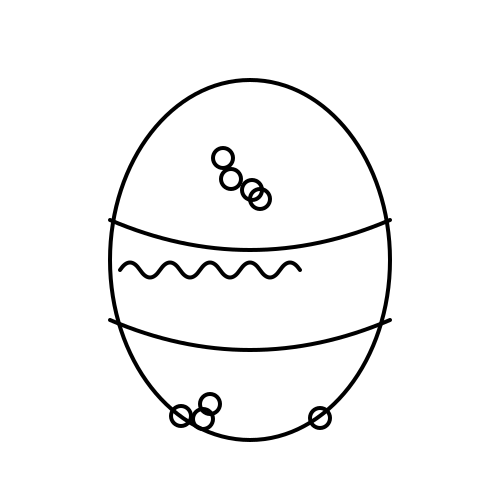
We chose this Decorated Easter Egg design because it strikes a balance most easter pages miss: detailed enough to feel like a real picture, simple enough that a four-year-old can finish it before the timer runs out and ask for another. The composition is centered with generous margins, which means the page looks great even when a younger artist colors well outside the lines, and the major shapes are big enough to fill in confidently with a single crayon stroke.
Print on standard letter or A4 paper. We recommend 28 lb “multipurpose” paper if you have it — markers bleed less and colored pencils layer more smoothly than on basic copier stock. The SVG is vector, so feel free to scale it up to poster size for a classroom mural without losing any sharpness. A common trick teachers use is to print one page at 200% on tabloid paper and let a small group color it together as a cooperative project; it turns a five-minute activity into a thirty-minute one.
This page fits naturally into spring crafts, Sunday school, classroom centers. Parents tell us they keep a small folder of printed sheets in the car for restaurant waits and waiting rooms; teachers stash them in their sub-plans folder for the days a lesson runs short. The Decorated Easter Egg design works in either context because it doesn’t require any setup conversation — kids see it, recognize it, and start coloring without needing the activity explained.
Coloring this kind of page is a remarkably good wind-down activity before dinner or bedtime. The repetitive motion is calming, the focus is gentle, and the finished result gives kids a small sense of accomplishment to carry into the next part of their day. We’ve found that even reluctant readers will sit through a chapter of a bedtime book if they have a Decorated Easter Egg page in their lap and a quiet pile of crayons next to them.
Coloring tips
- Try one color family per area — warm colors (red, orange, yellow) for a sunny mood, cool colors (blue, green, purple) for a calm one.
- Save a sticker sheet for the end — three or four well-placed stickers turn a finished page into a card or gift tag.
- Add a tiny pattern (dots, stripes, stars) inside one big area for visual interest without adding any drawing skill.
- Print two copies and let your child try a realistic version on one and a totally invented color scheme on the other.
- If your child is younger than five, tear the sheet in half and let them work on one piece at a time so the page feels finishable.
- Use the side of a peeled crayon for big areas and the tip for small details — same crayon, two different looks.
Want printable-friendly paper recommendations? See our quick guide to crayons, markers and printer paper →
Conversation starters
Coloring time is a great moment to talk. Try these prompts while your child is working on their decorated easter egg page:
- Pick the part of the page you like best — what makes that part the best?
- What would change about this Decorated Easter Egg if it were nighttime instead of daytime?
- Who is this Decorated Easter Egg’s best friend, and what do they do together?
- What would happen next if this picture was the cover of a story?
- If this Decorated Easter Egg could talk, what is the first thing it would say?
Learn a little more
Most holidays-themed pages on Kid Pages Fun pull from the wider world of public-domain illustration, then get redrawn with thicker outlines and simpler shapes so they print cleanly and color easily. The Decorated Easter Egg design is a friendly, kid-readable take on the subject — perfect as a jumping-off point for a quick conversation, a related picture book at the library, or a short field trip if the season is right. Pair it with one or two other Easter pages from this site for a longer activity, or use it as a single five-minute warm-up before moving on to something else.