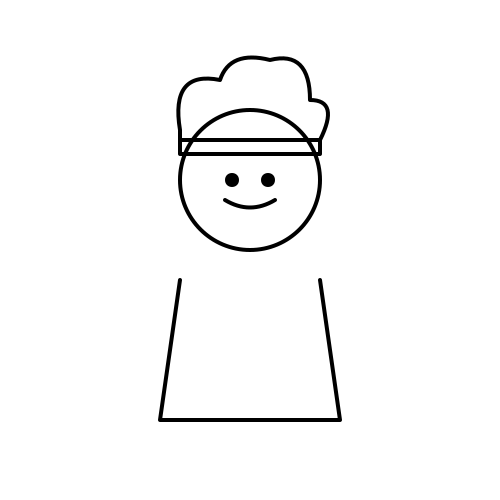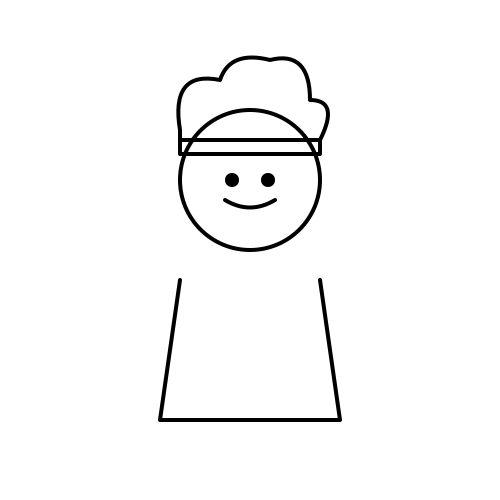
About this coloring page
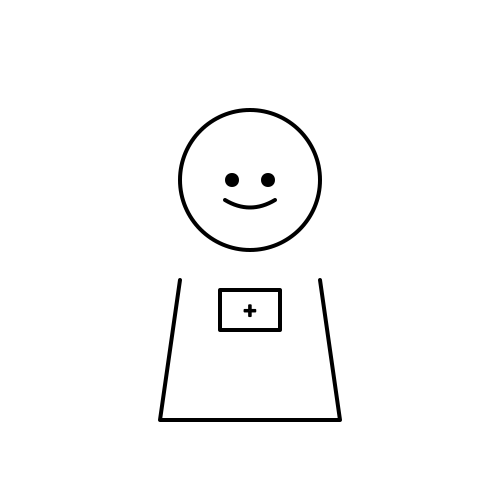
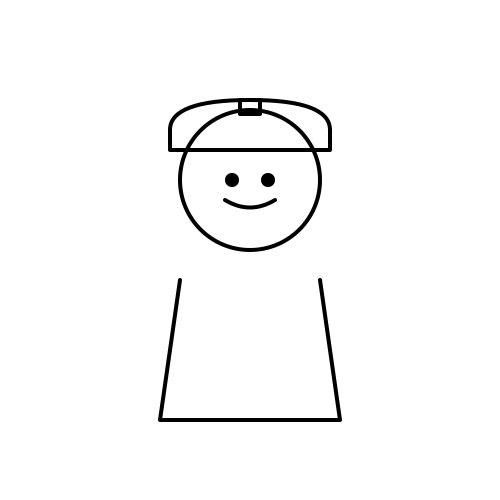
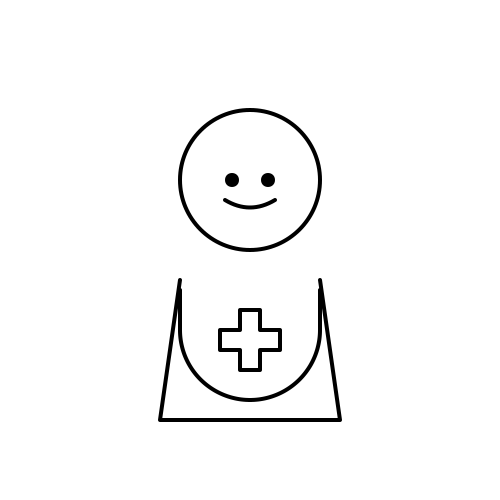
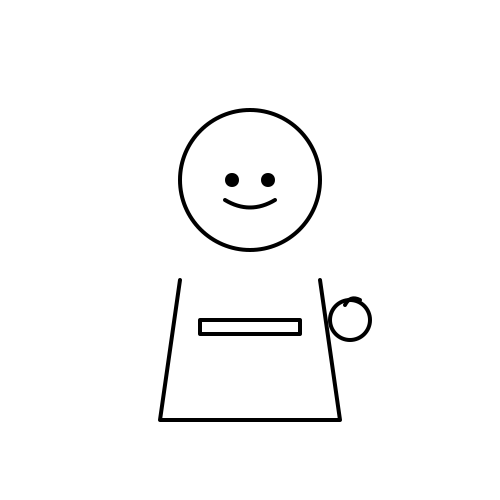
If your kid loves community helpers, this Chef page is an easy win. The lines are thick enough to fill in confidently with a chunky crayon, and the negative space is varied — some big sweeping areas for younger artists, some smaller pockets that reward a more careful hand. We drew it specifically with the 4 – 9 crowd in mind, so nothing is so fiddly that a preschooler will give up halfway through, and nothing is so empty that a second-grader will lose interest.
Print on standard letter or A4 paper. We recommend 28 lb “multipurpose” paper if you have it — markers bleed less and colored pencils layer more smoothly than on basic copier stock. The SVG is vector, so feel free to scale it up to poster size for a classroom mural without losing any sharpness. A common trick teachers use is to print one page at 200% on tabloid paper and let a small group color it together as a cooperative project; it turns a five-minute activity into a thirty-minute one.
Many of our educational pages get used as conversation prompts as much as art projects. A Chef is a small invitation to talk — about colors, about the subject, about a story your child wants to invent on the spot. We’ve added a few open-ended questions further down the page that you can use as conversation starters while your child is working, no special prep required.
If your child finishes quickly and wants more, jump to one of the related pages at the bottom — they share a theme but vary the difficulty so you can keep the activity fresh for another twenty minutes. The whole Community Helpers collection is designed to be browsed this way, with each page leading naturally into another, and the related links at the bottom of every page make it easy to keep the momentum going without you having to hunt for the next thing.
Coloring tips
- Use the side of a peeled crayon for big areas and the tip for small details — same crayon, two different looks.
- Outline each section in marker before filling with crayon for a stained-glass effect.
- Print two copies and let your child try a realistic version on one and a totally invented color scheme on the other.
- Try one color family per area — warm colors (red, orange, yellow) for a sunny mood, cool colors (blue, green, purple) for a calm one.
- If your child is younger than five, tear the sheet in half and let them work on one piece at a time so the page feels finishable.
- Save a sticker sheet for the end — three or four well-placed stickers turn a finished page into a card or gift tag.
Want printable-friendly paper recommendations? See our quick guide to crayons, markers and printer paper →
Conversation starters
Coloring time is a great moment to talk. Try these prompts while your child is working on their chef page:
- Pick the part of the page you like best — what makes that part the best?
- If you could give it a name, what would it be?
- What sound does it make? Show me with your face.
- Who is this Chef’s best friend, and what do they do together?
- If you drew the next page in the story, what would be on it?
Learn a little more
Most educational-themed pages on Kid Pages Fun pull from the wider world of public-domain illustration, then get redrawn with thicker outlines and simpler shapes so they print cleanly and color easily. The Chef design is a friendly, kid-readable take on the subject — perfect as a jumping-off point for a quick conversation, a related picture book at the library, or a short field trip if the season is right. Pair it with one or two other Community Helpers pages from this site for a longer activity, or use it as a single five-minute warm-up before moving on to something else.